How we turned AI Agents into real
teammates - and changed the way
200K developers in GigaCode
How we turned AI Agents into real teammates - and changed the way 200K developers in GigaCode
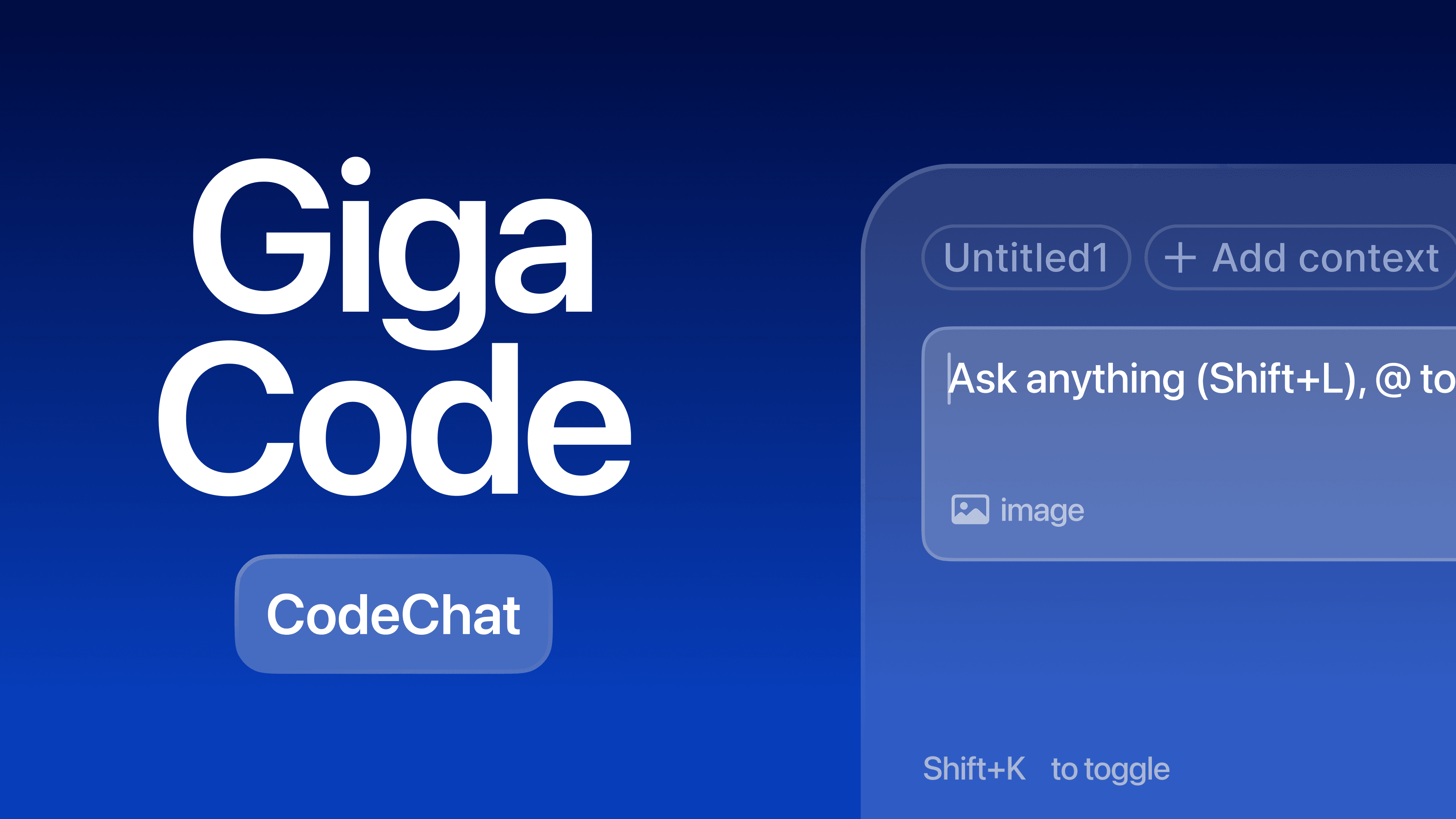
GitVerse is a next-generation developer ecosystem that unites tools, AI services,
and collaborative environments into a single platform.
GigaCode is its core product — an intelligent coding assistant integrated directly into the IDE, turning interaction with AI into a natural part of the development process.
GitVerse is a next-generation developer ecosystem that unites tools, AI services,
and collaborative environments into a single platform.
GigaCode is its core product — an intelligent coding assistant integrated directly into the IDE, turning interaction with AI into a natural part of the development process.
AI as a First-Class Development Partner
We launched Agent Mode in GigaCode to embed autonomous AI agents directly into the developer’s workspace. These agents understand project context, refactor code, and carry out complex, multi-step tasks in parallel with the developer
This shifts AI from producing isolated hints to acting as a persistent collaborator. Not an assistant on demand, but an integrated system that continuously participates in the development process.
We launched Agent Mode in GigaCode to embed autonomous AI agents directly into the developer’s workspace. These agents understand project context, refactor code, and carry out complex, multi-step tasks
in parallel with the developer
This shifts AI from producing isolated hints to acting
as a persistent collaborator. Not an assistant on demand,
but an integrated system that continuously participates
in the development process.
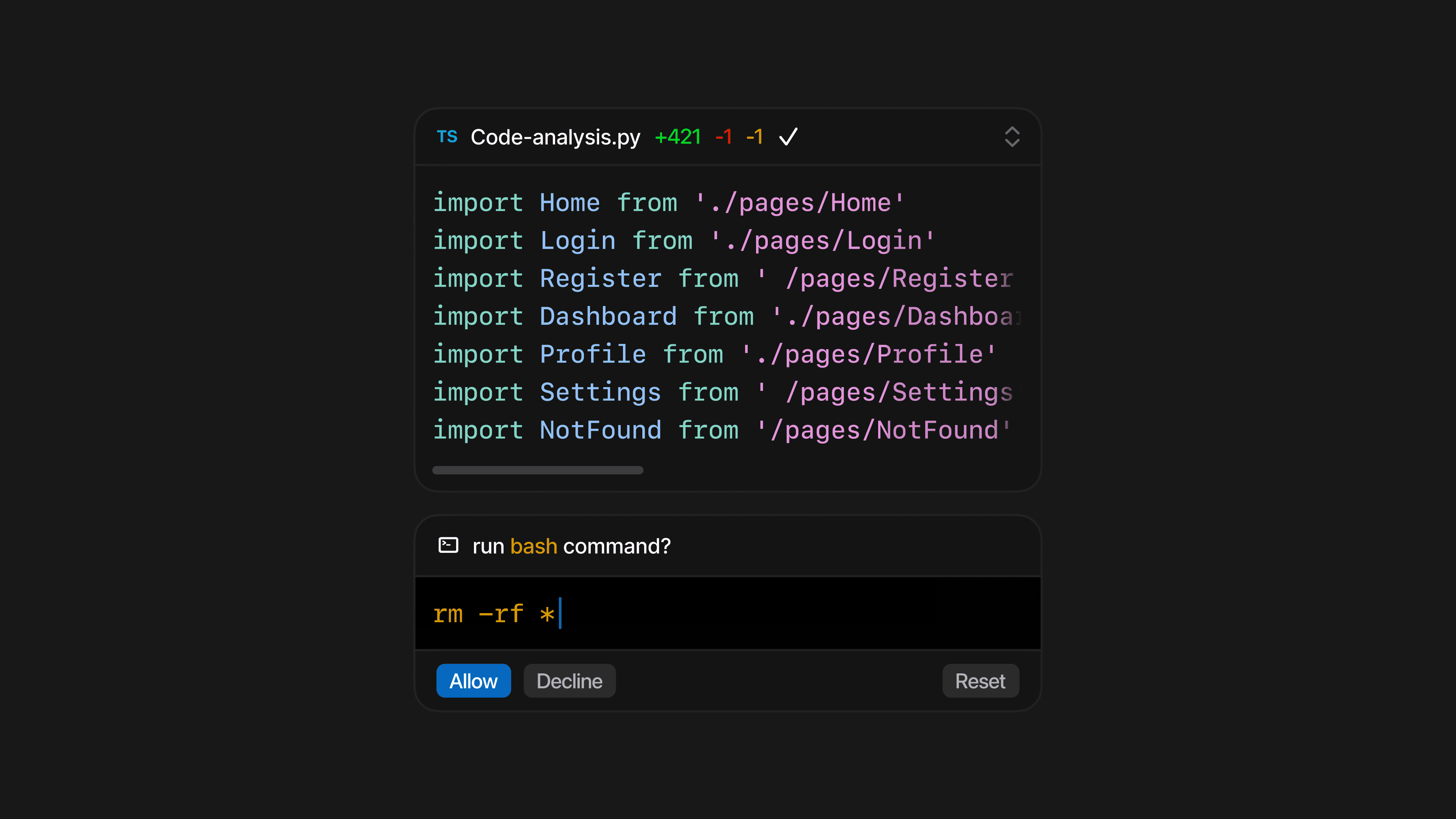
Core Tension
Shift developers from prompt-driven usage to agent-based collaboration
Introduce autonomy without eroding control or trust inside the IDE
Make high speed compatible with predictability and explainability
Synchronize product logic, UX, and technical constraints so agents are perceived as teammates, not tools
Shift developers from prompt-driven usage to agent-based collaboration
Introduce autonomy without eroding control or trust inside the IDE
Make high speed compatible with predictability
and explainabilitySynchronize product logic, UX, and technical constraints so agents are perceived as teammates,
not tools
Hypotheses:
1) Agent Mode will increase engagement and session duration
2) Developers will perform more complex tasks through AI collaboration
2) Research — two studies on planning behavior
and friction points; hallway tests to validate capture speed and readability at a glance.
3) The feature will raise product retention and trust in AI assistance
3) Ecosystem alignment — treated Calendar+
as a showcase for the 360 refresh; designed patterns intended for reuse across products.
Owning the Why
I acted as the internal disruptor — the one who refused to accept surface-level answers:
Deconstructed real developer behavior inside the IDE, not imagined flows
Exposed the breakpoints between manual coding and AI-driven execution
Forced alignment with PMs and engineers on what autonomy means when trust and control are non-negotiable
Imposed UX rigor: every state, transition, and outcome had to be explicit, deterministic, and explainable — never “magic”
I acted as the internal disruptor — the one who refused
to accept surface-level answers:
Deconstructed real developer behavior inside the IDE, not imagined flows
Exposed the breakpoints between manual coding
and AI-driven executionForced alignment with PMs and engineers on what autonomy means when trust and control are non-negotiable
Imposed UX rigor: every state, transition, and outcome had to be explicit, deterministic, and explainable — never “magic”
Outcome: this case crystallized the design process the team still uses as a baseline today.
Outcome: this case crystallized the design process
the team still uses as a baseline today.
From Problem Space to System Design
When we started shaping Agent Mode, it was obvious: if we just gave users another "AI feature," they’d try it once and move on. It had to feel different — something that changes how they actually code.
Together with the product and engineering teams, we built what we internally called "active collabotion" — a flow where AI becomes a real teammate, not a side tool.
When we started shaping Agent Mode, it was obvious:
if we just gave users another "AI feature," they’d try
it once and move on. It had to feel different — something that changes how they actually code.
Together with the product and engineering teams, we built what we internally called "active collabotion" —
a flow where AI becomes a real teammate, not a side tool.
The Principle:
1) Autonomy with control
2) Value first, configuration second
2) Research — two studies on planning behavior
and friction points; hallway tests to validate capture speed and readability at a glance.
3) Natural entry points
3) Ecosystem alignment — treated Calendar+
as a showcase for the 360 refresh; designed patterns intended for reuse across products.
Why it held up
1) Developers didn’t feel they were “handing off” control — collaboration felt natural
2) Each agent action produced an instant sense of progress → more trust, less friction
2) Research — two studies on planning behavior
and friction points; hallway tests to validate capture speed and readability at a glance.
3) The mode turned passive coding into an active, conversational workflow — something developers wanted to keep using
3) Ecosystem alignment — treated Calendar+
as a showcase for the 360 refresh; designed patterns intended for reuse across products.
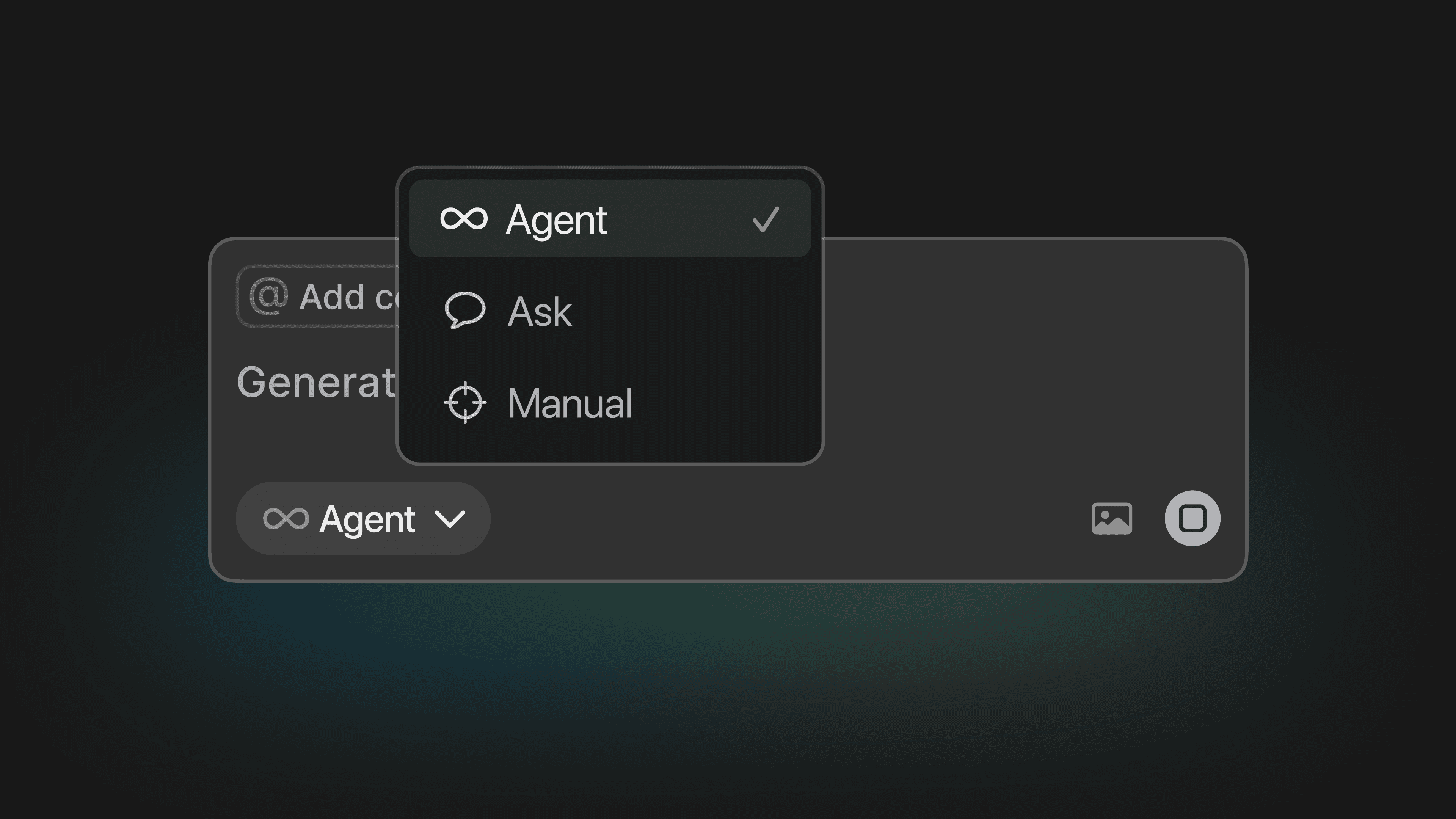
Of course, not everything worked perfectly on the first try — but the "active collabotion" flow performed solidly, especially considering it was built purely on internal research and expert intuition, without prior user data.
Of course, not everything worked perfectly on the first try — but the "active collabotion" flow performed solidly, especially considering it was built purely on internal research and expert intuition, without prior user data.
Measured Outcomes
1) Statistically significant increase in engagement and session duration
2) Noticeable growth in AI feature adoption and retention
3) Clear improvement in trust and satisfaction with AI-assisted workflows
Agent Mode was rolled out to over 150,000 developers, driving measurable business impact and setting the foundation for the next generation of AI-driven coding tools.
1) Statistically significant increase in engagement
and session duration
2) Noticeable growth in AI feature adoption and retention
3) Clear improvement in trust and satisfaction with
AI-assisted workflows
Agent Mode was rolled out to over 150,000 developers, driving measurable business impact and setting
the foundation for the next generation of AI-driven coding tools.
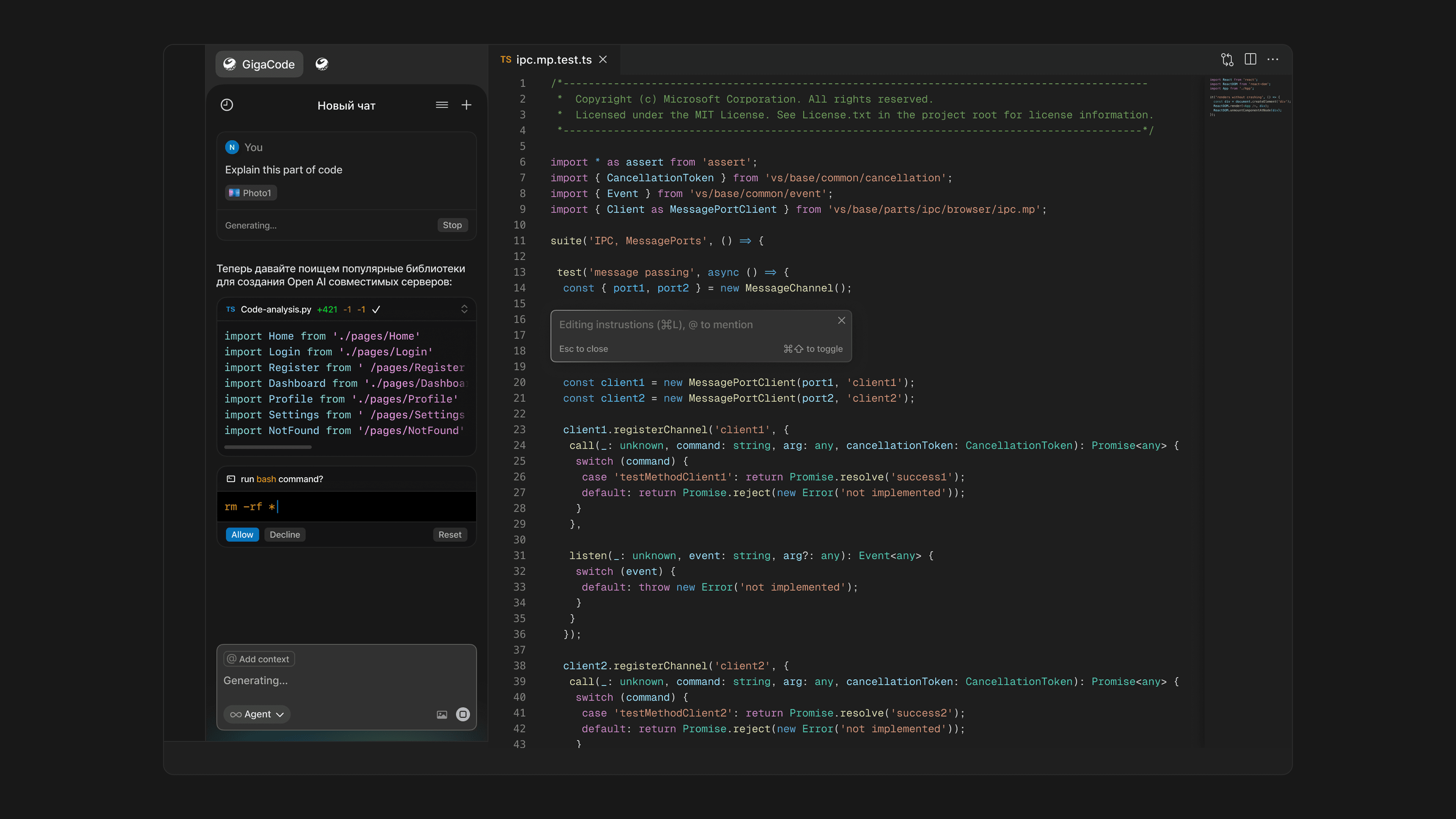
System Evolution
We ran two more iterations of Agent Mode with updated logic and behavior patterns:
We ran two more iterations of Agent Mode with updated logic and behavior patterns:
Iteration 2:
1) Tested two versions (v1.1 and v2) with different levels of agent autonomy and task scope
1) Tested two versions (v1.1 and v2) with different levels
of agent autonomy and task scope
2) Hypothesis: both would improve engagement, with v2 showing stronger adoption
2) Research — two studies on planning behavior
and friction points; hallway tests to validate capture speed and readability at a glance.
3) Result: both versions boosted key metrics but lacked scalability
3) Ecosystem alignment — treated Calendar+
as a showcase for the 360 refresh; designed patterns intended for reuse across products.
Key Learnings
What worked well:
1) Through multiple iterations, we shaped Agent Mode into a stable, production-ready feature used by every new developer in GigaCode
1) Through multiple iterations, we shaped Agent Mode into a stable, production-ready feature used by every
new developer in GigaCode
2) The team leveled up our workflow — we now validate hypotheses faster and make design decisions with stronger evidence
2) Research — two studies on planning behavior
and friction points; hallway tests to validate capture speed and readability at a glance.
What I’d do differently:
1) Build a consistent test group of developers from the very beginning
2) Rely on usage data earlier instead of getting stuck in opinion loops
2) Research — two studies on planning behavior
and friction points; hallway tests to validate capture speed and readability at a glance.
Now Agent Mode has become a scalable core feature that drives adoption of AI workflows across the entire GitVerse ecosystem.
Now Agent Mode has become a scalable core feature that drives adoption of AI workflows across the entire GitVerse ecosystem.
Next step — expand the agents’ capabilities and turn collaboration into a measurable productivity boost.
Next step — expand the agents’ capabilities and turn collaboration into a measurable productivity boost.