How do we collapse calendar, tasks,
and notes into one frictionless
planning flow?

How do we collapse calendar, tasks,
and notes into one frictionless
planning flow?

Yandex 360 is a platform that includes several services for organizing the work of a company or team. The service is aimed at both the Russian and international markets and is available in two languages — Russian and English.

Yandex 360 is a platform that includes several services for organizing the work of a company or team. The service is aimed at both the Russian and international markets and is available in two languages — Russian and English.

Problem Framing

Yandex 360 needed a unified personal-productivity hub to reduce context switching and increase subscription stickiness. The existing calendar lived only on the web, while users asked for a mobile-first planner that combined calendar, tasks, and notes. Constraint: rely on Yandex’s internal services instead of third-party integrations.

Yandex 360 needed a unified personal-productivity hub to reduce context switching and increase subscription stickiness. The existing calendar lived only on the web, while users asked for a mobile-first planner that combined calendar, tasks, and notes.

Constraint: rely on Yandex’s internal services instead
of third-party integrations.

The Core Idea

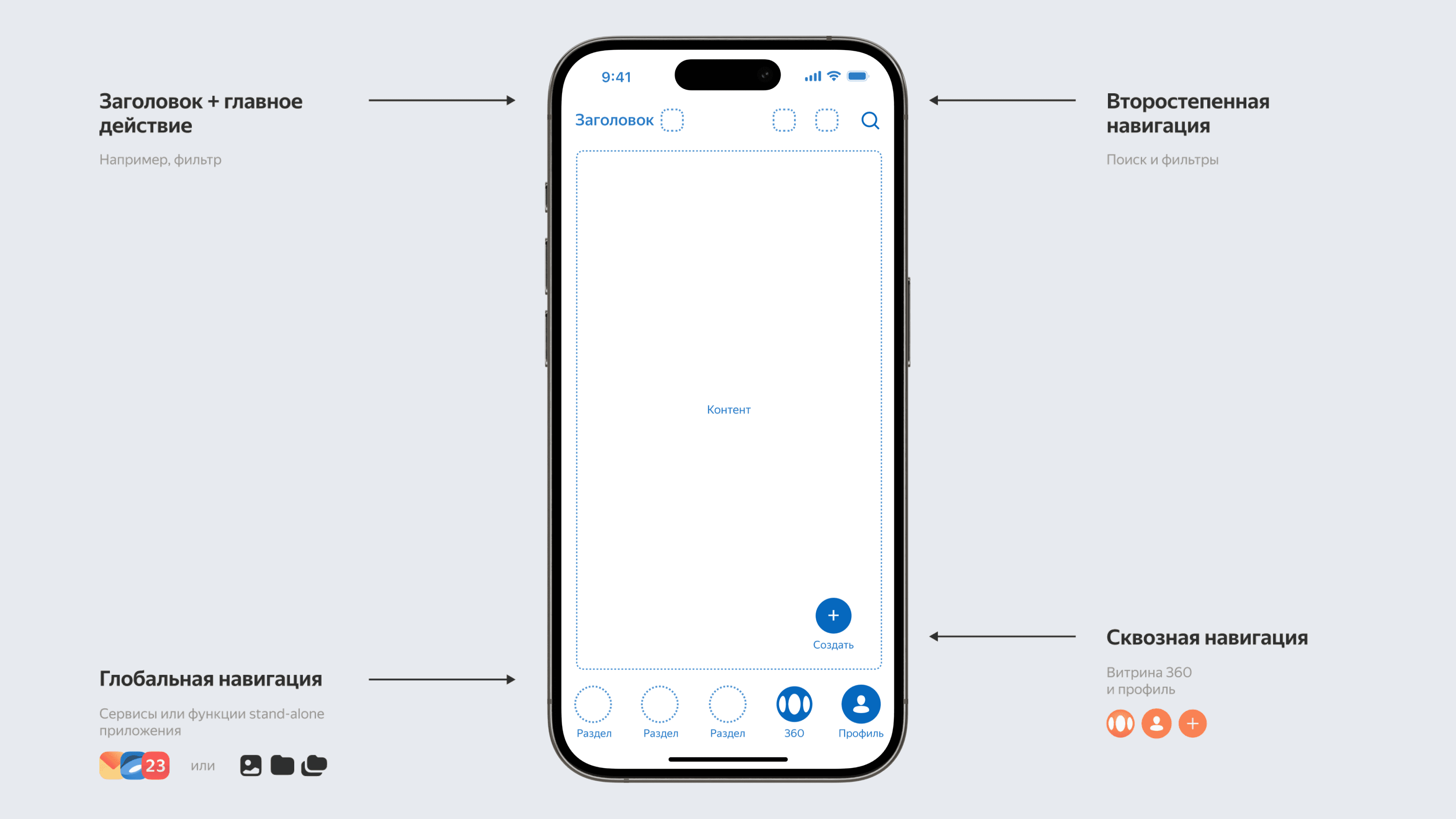
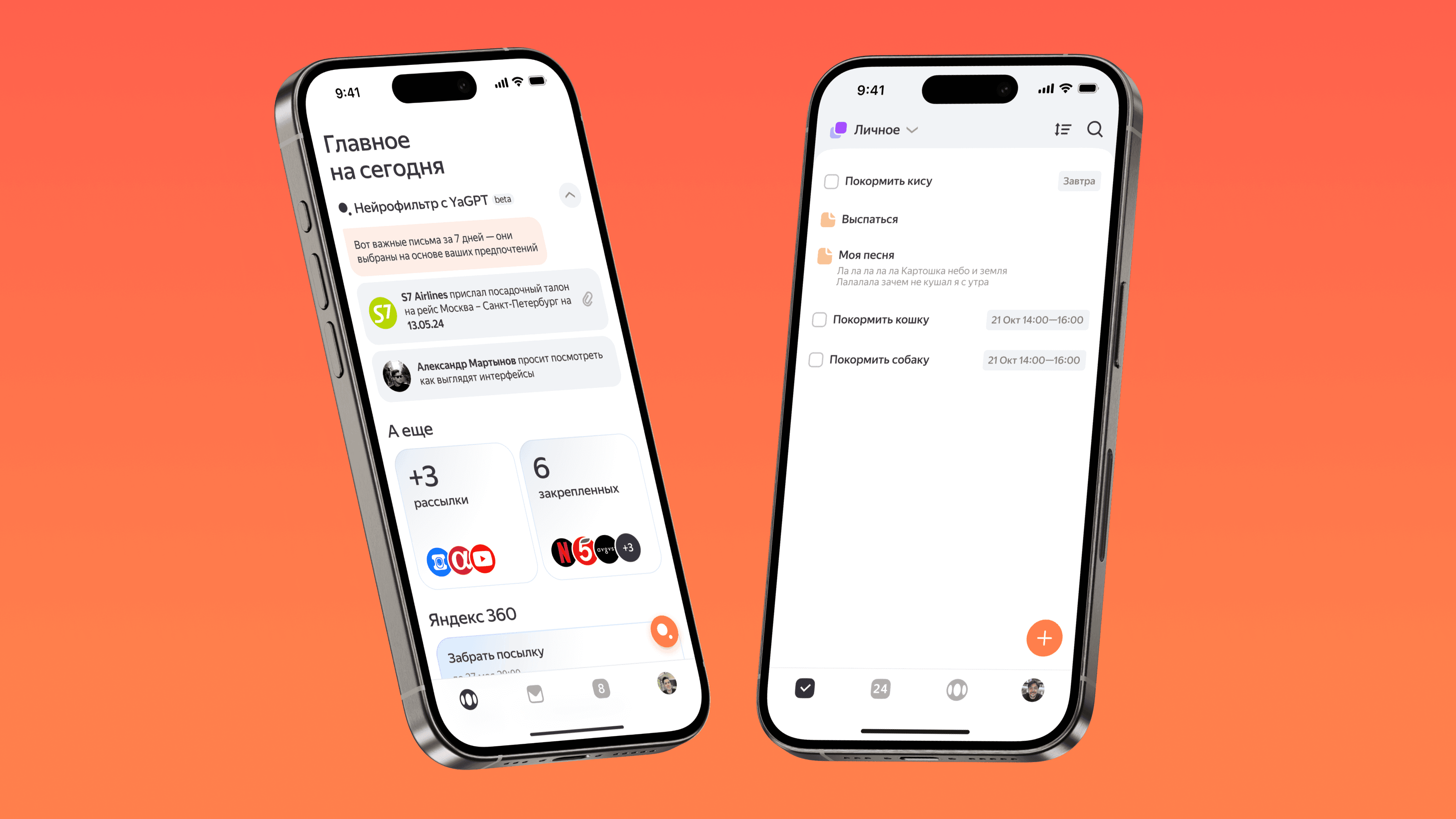
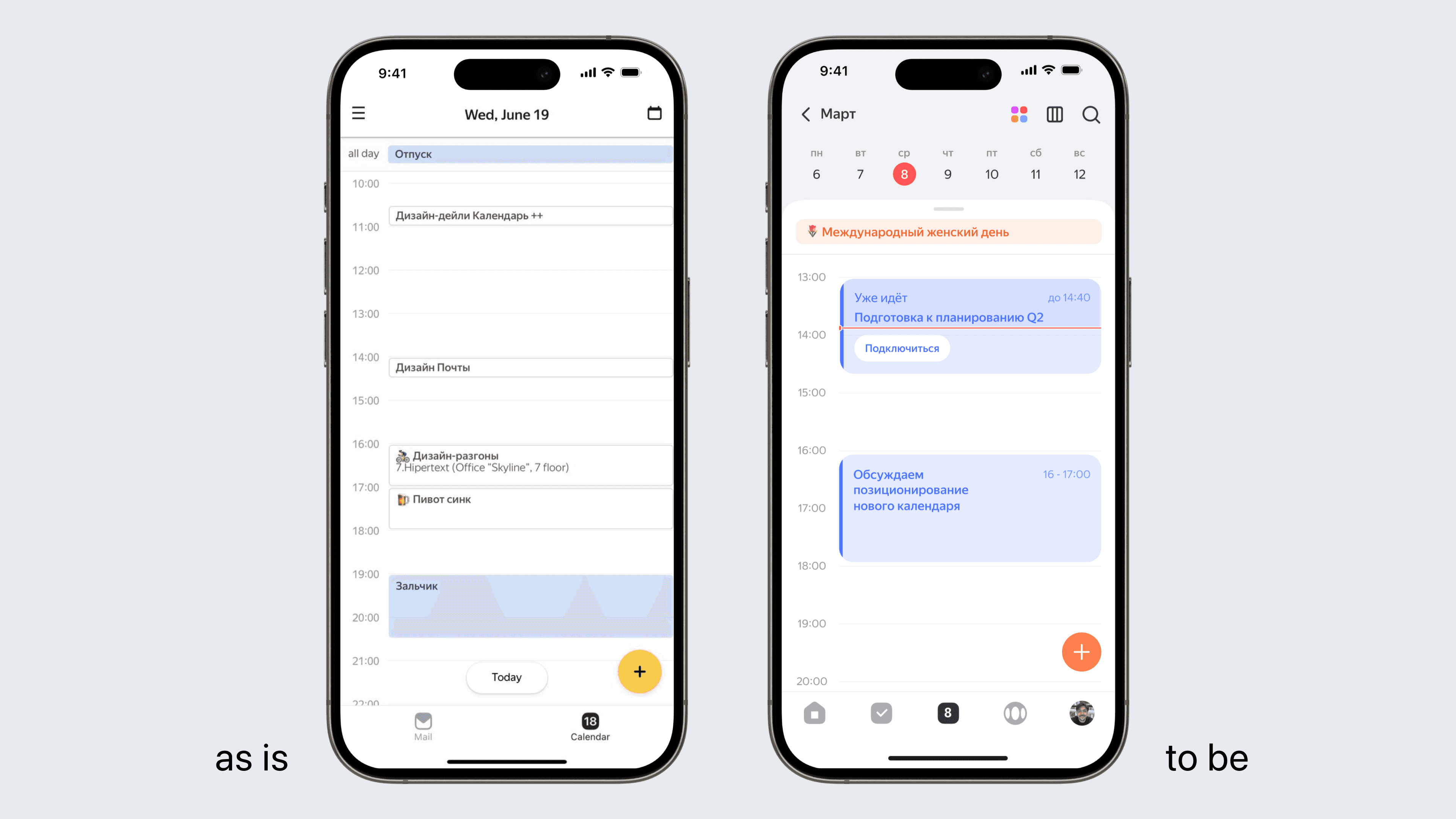
Build CalendarPlus — a single surface for planning the day: events, quick tasks, lightweight notes, and cross-product shortcuts. Position it as a flagship for the Yandex 360 ecosystem refresh so patterns, components, and interactions can be reused across other subscription products.

Build CalendarPlus — a single surface for planning
the day: events, quick tasks, lightweight notes, and cross-product shortcuts. Position it as a flagship for the Yandex 360 ecosystem refresh so patterns, components,
and interactions can be reused across other subscription products.

Hypothesis

If we provide a fast capture flow, consistent cross-device behavior, and reusable UI patterns, then we will see:

  • ↑ Daily and weekly planning activity (DAU/WAU on planner surfaces)

  • ↓ Time-to-first-event and ↓ taps per event/task

  • ↑ Retention for Yandex 360 subscribers interacting with productivity features

If we provide a fast capture flow, consistent cross-device behavior, and reusable UI patterns, then we will see:

  • ↑ Daily and weekly planning activity (DAU/WAU
    on planner surfaces)

  • ↓ Time-to-first-event and ↓ taps per event/task

  • ↑ Retention for Yandex 360 subscribers interacting with productivity features

From Problem Space to System Design

Execution Framework

1) Jobs & constraints — mapped core jobs (schedule, capture, review) and platform limits; defined “no third-party” integration strategy.

2) Research — two studies on planning behavior and friction points; hallway tests to validate capture speed and readability at a glance.

2) Research — two studies on planning behavior
and friction points; hallway tests to validate capture speed and readability at a glance.

3) Ecosystem alignment — treated Calendar+ as a showcase for the 360 refresh; designed patterns intended for reuse across products.

3) Ecosystem alignment — treated Calendar+
as a showcase for the 360 refresh; designed patterns intended for reuse across products.

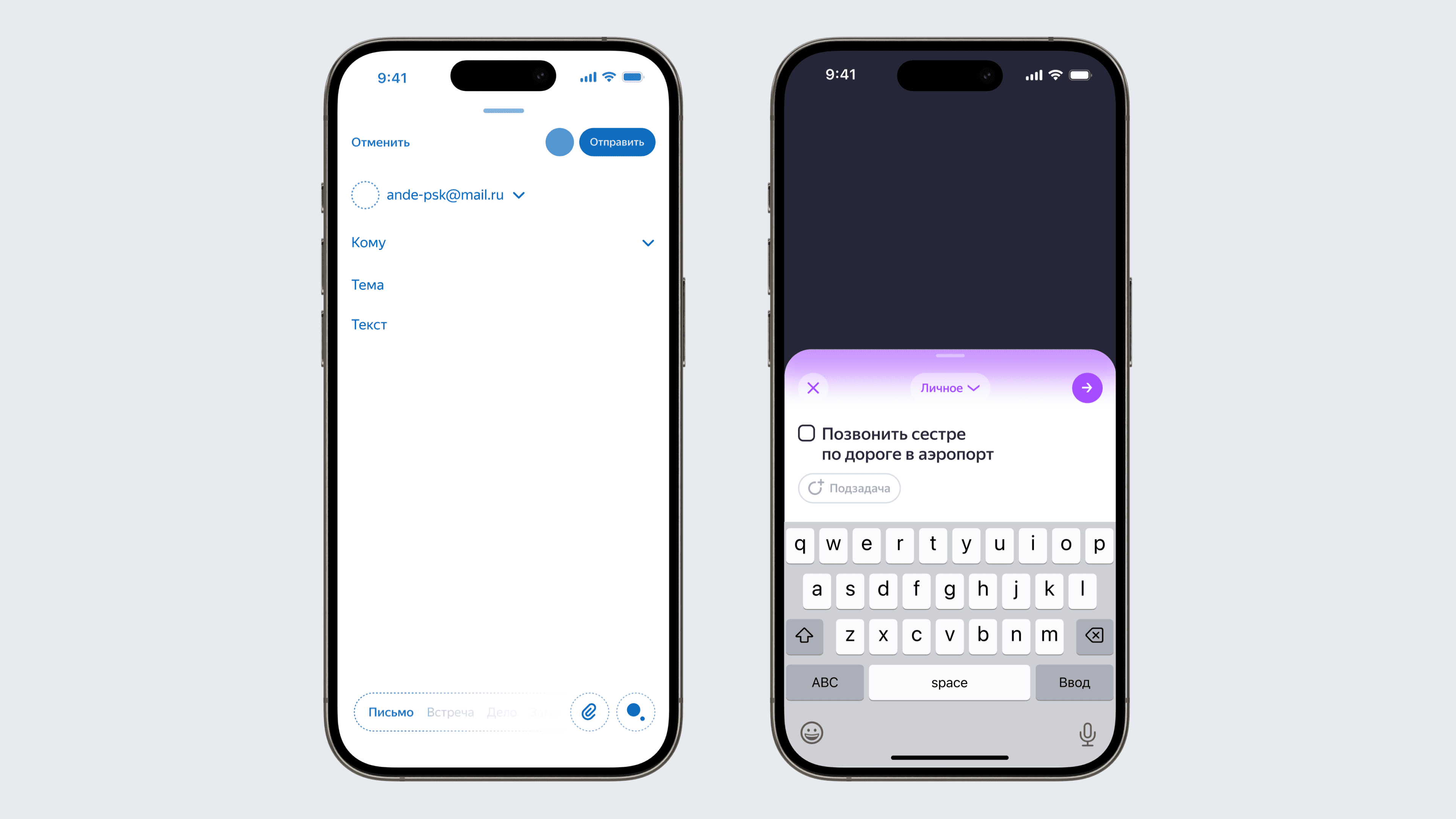
4) Design system work — built a local DS layer (Variants, AutoLayouts), codified interaction rules, and documented component contracts.
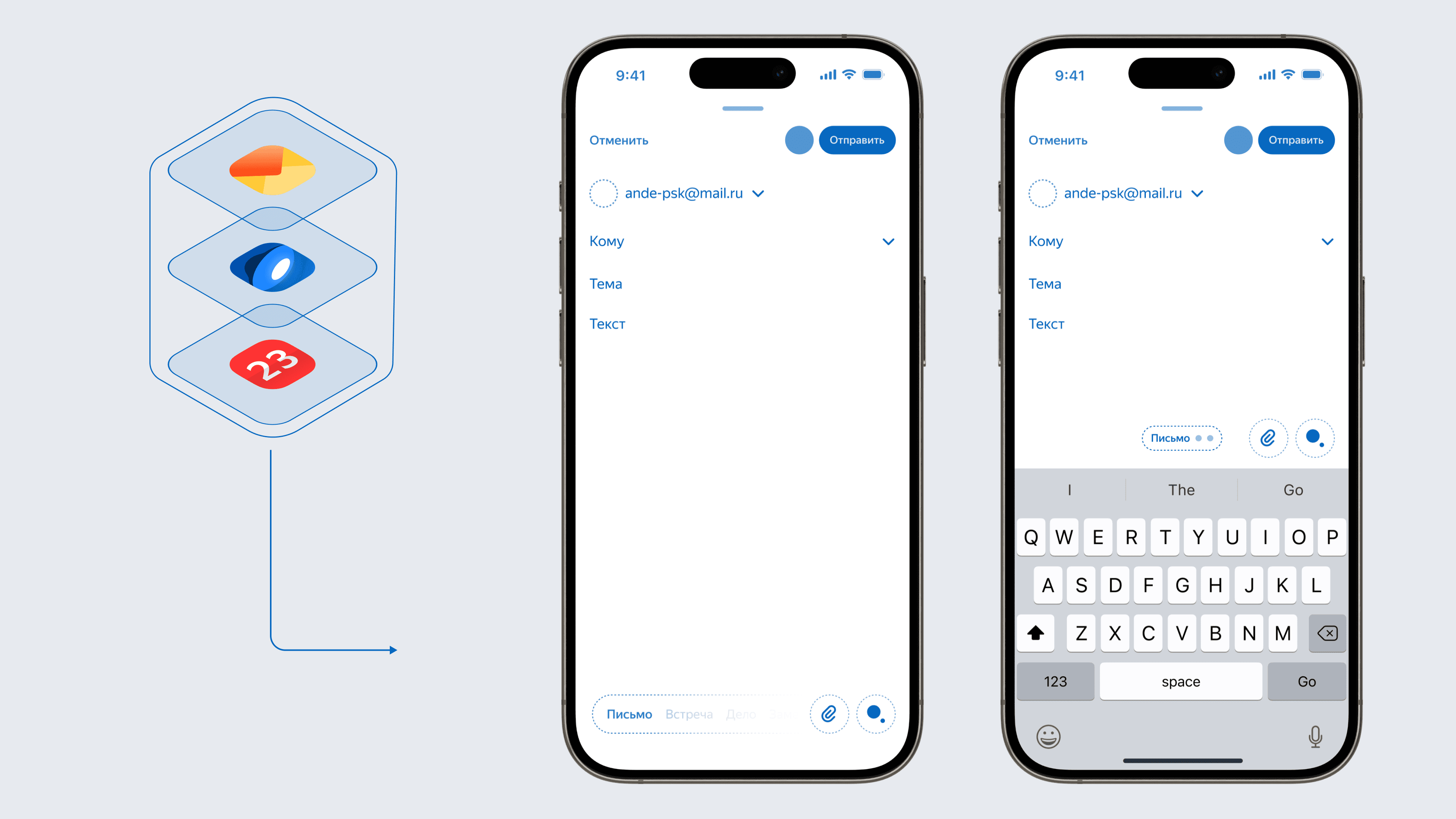
5) Prototyping & testing — iterative interactive prototypes; SBS (side-by-side) concept comparisons; surveys for preference and comprehension.

5) Prototyping & testing — iterative interactive prototypes; SBS (side-by-side) concept comparisons; surveys
for preference and comprehension.

6) Review & defense — consolidated findings and prototypes into a stakeholder pitch with cost/benefit and reuse arguments.

6) Review & defense — consolidated findings
and prototypes into a stakeholder pitch with cost/benefit and reuse arguments.

Problem Decomposition

Business Goals:

1) Unify planning into a single surface and raise ecosystem stickiness

2) Reduce operational risk by avoiding third-party integrations

3) Provide reusable UI/logic to accelerate other 360 products

User Goals:

1) Plan quickly with minimal friction

2) Trust sync and consistency across devices

3) See the day at a glance; edit without digging through menus
Outcomes and Current State

Current Status:

1) Stakeholders re-prioritized
other Yandex 360 products.

1) Stakeholders re-prioritized other Yandex 360 products.

2) CalendarPlus shipped with a reduced feature set
(around 30% of the initial scope; ~70% of planned capabilities cut).

2) CalendarPlus shipped with a reduced feature set
(around 30% of the initial scope; ~70% of planned capabilities cut).

3) Core outcomes: shipped base calendar + essentials for tasks/notes; delivered a reusable component set and patterns adopted by adjacent teams.

3) Core outcomes: shipped base calendar + essentials
for tasks/notes; delivered a reusable component set
and patterns adopted by adjacent teams.

Evaluation Criteria

1) Behavioral: task/event creation rate, taps per action, time-to-first-event,
repeat use of planner views.

1) Behavioral: task/event creation rate, taps per action, time-to-first-event, repeat use of planner views.

2) Quality: error rate in date/timezone selection, mis-taps on dense views,
comprehension at a glance.

2) Quality: error rate in date/timezone selection, mis-taps on dense views, comprehension at a glance.

3) Ecosystem: component reuse count, downstream implementation effort saved,
consistency defects reduced.

3) Ecosystem: component reuse count, downstream implementation effort saved, consistency defects reduced.

Directional results in testing: faster capture flows, fewer steps to schedule, higher first-session comprehension of the day view. Reuse of components and patterns by other 360 teams accelerated delivery outside Calendar+.

Directional results in testing: faster capture flows, fewer steps to schedule, higher first-session comprehension

of the day view. Reuse of components and patterns

by other 360 teams accelerated delivery outside Calendar+.

Key Learnings

What worked well:

1) Treating the product as an ecosystem flagship: patterns and components transferred cleanly to other 360 surfaces.

2) Tight prototype→test loops: SBS and hallway tests exposed friction early.

What I learned:

1) Converting research signals into system-level patterns pays off beyond a single product.

2) Defending scope under platform and integration constraints requires explicit reuse economics.

3) Shipping reduced scope is viable if the DS assets and patterns land across the ecosystem.

3) Shipping reduced scope is viable if the DS assets
and patterns land across the ecosystem.